Guides to packaging boxes, labels, stickers and print preparation from Phunporn Printing.
-

Cosmetic Box Printing: What to Prepare Before Production
Read more ↗: Cosmetic Box Printing: What to Prepare Before ProductionBefore ordering cosmetic box printing, start with the actual product and how it will be used. An attractive box with the wrong dimensions may allow movement, prevent the lid from closing or take up unnecessary shipping space. Defining the details early helps your printer assess suitable materials, structure and pricing more accurately. 1. Measure the actual product before sizing the box Prepare the bottle, jar or tube you will actually sell, including its cap, pump and relevant seals. Measure its widest points and overall height. Do not determine box dimensions from volume alone: different 30 ml bottles can have different shapes. […]
-
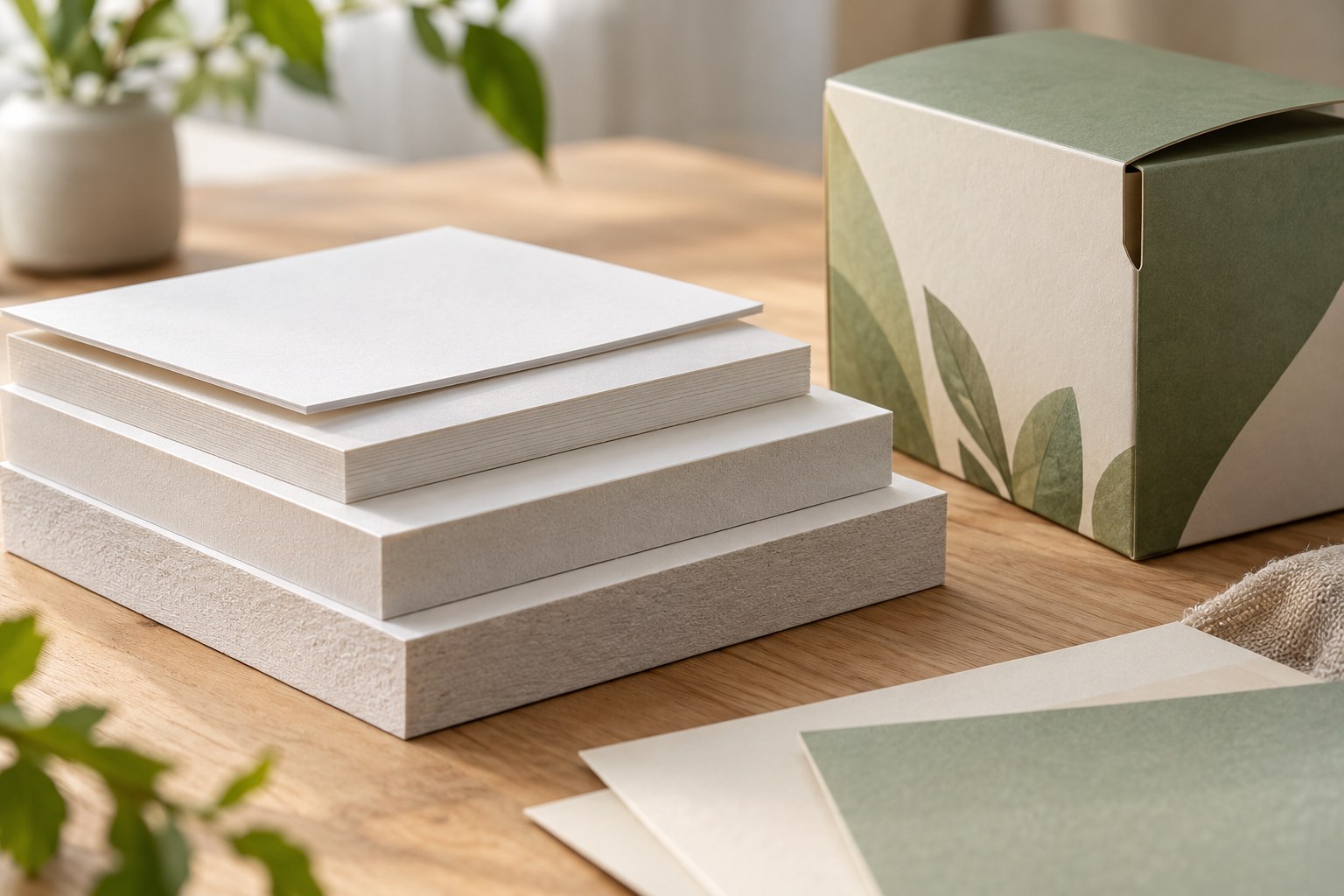
250–400 GSM Art Card: Choosing Paper for Packaging Boxes
Read more ↗: 250–400 GSM Art Card: Choosing Paper for Packaging BoxesArt card is one option for packaging boxes, but there is no single answer to whether you should use 250, 300, 350 or 400 GSM for every product. Consider the box dimensions, product weight, structure and actual paper characteristics together, rather than using GSM as the only criterion. GSM measures weight per area, not thickness directly GSM, or g/m², means the weight of one square metre of paper. For example, 300 GSM means one square metre weighs approximately 300 grams; it does not mean 300 microns thick. Papers from different grades or manufacturers may differ in thickness and stiffness despite the […]
-
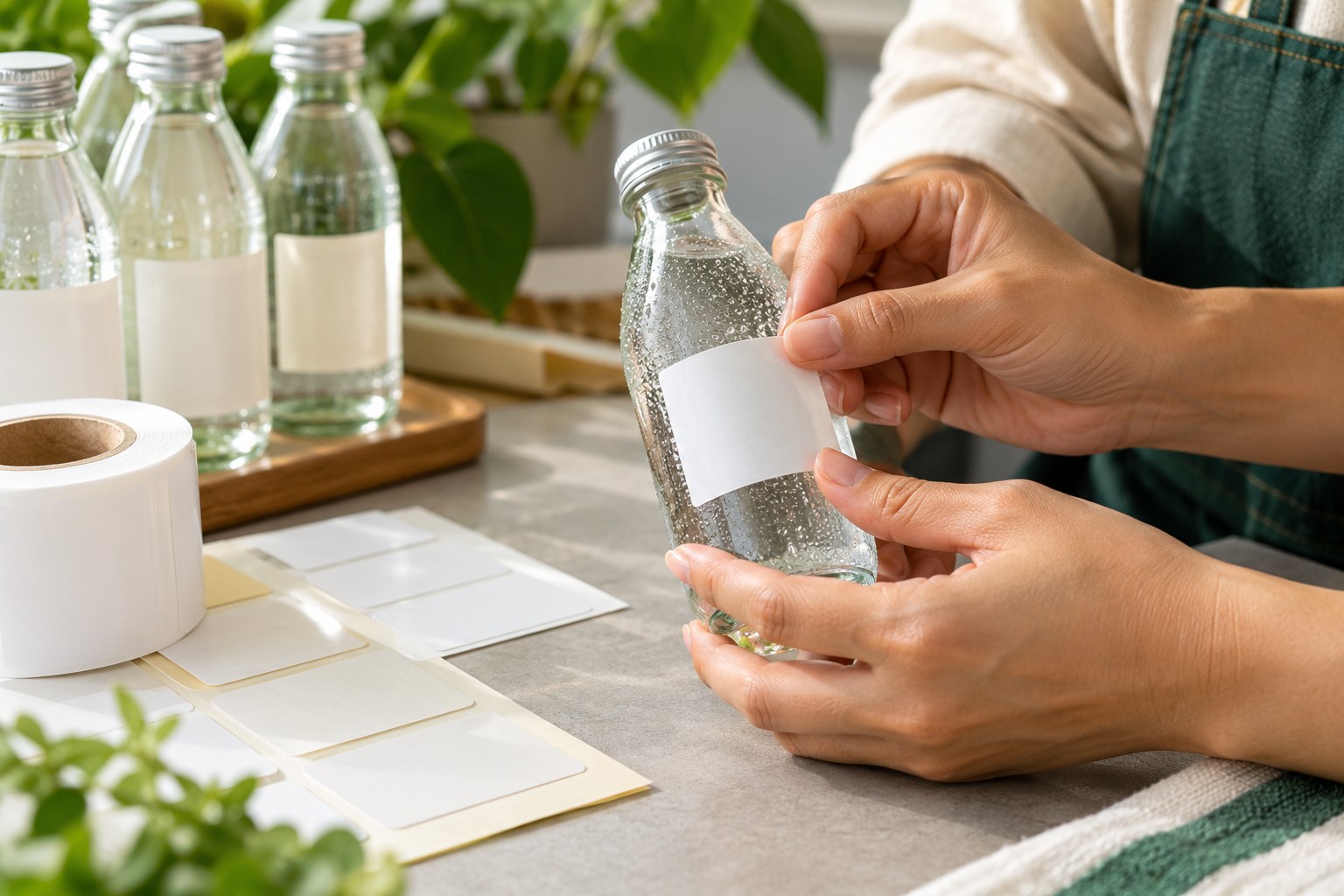
Paper vs PP Stickers: Choosing Labels for Your Product
Read more ↗: Paper vs PP Stickers: Choosing Labels for Your ProductChoosing between paper and PP stickers starts with how the product will be used. A label on a dry-stored box faces different moisture and friction from a refrigerated bottle label. The face material is only part of the decision: adhesive, ink and the packaging surface also matter. When should you consider paper stickers? Paper labels offer a range of surfaces and decorative finishes. They are a useful starting point for comparing options for boxes and products used in dry conditions. Check colour samples, surface smoothness and suitability for your actual labelling method. For frequent water or moisture exposure, ask about the […]
-
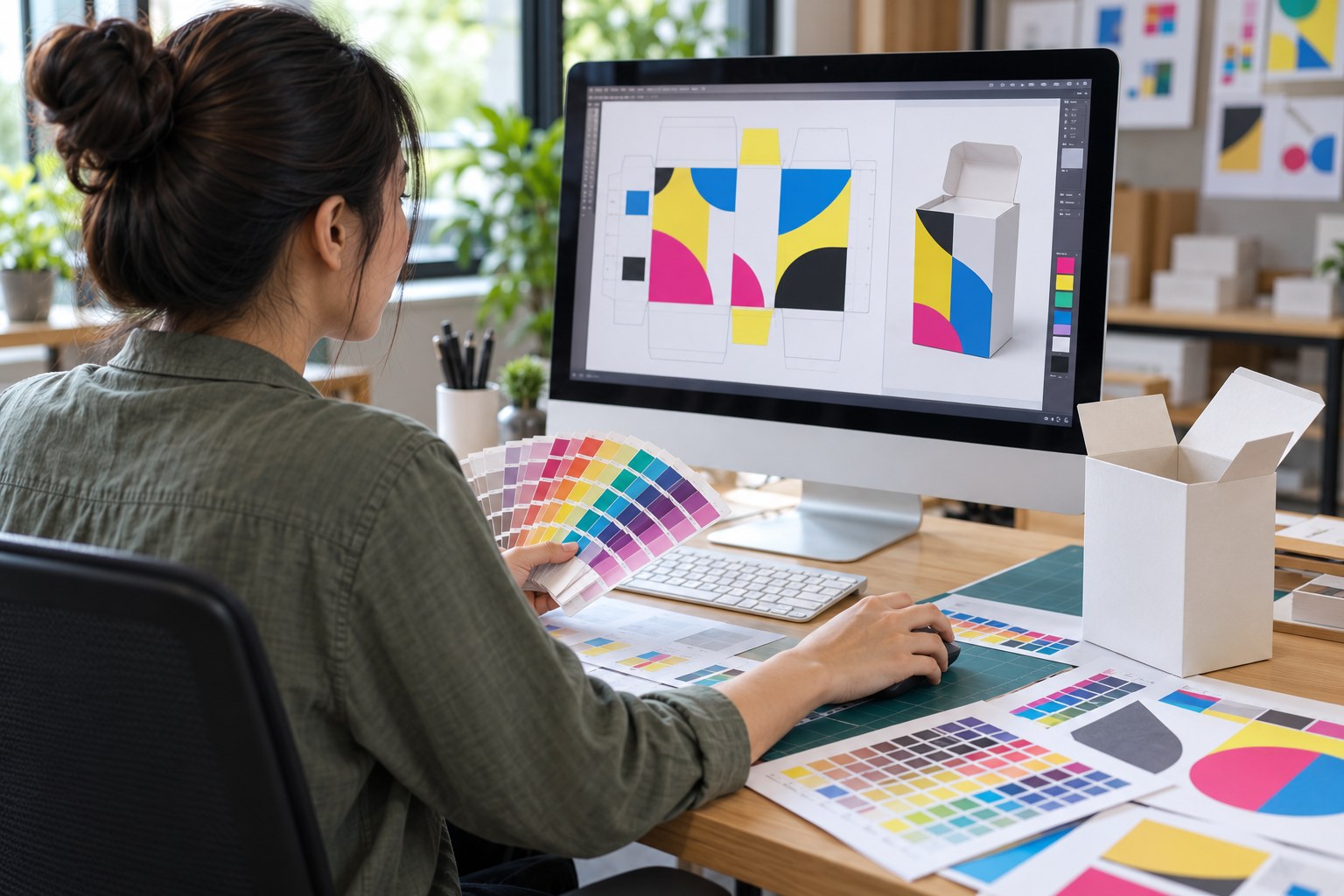
Print-ready Artwork: CMYK, Bleed, Fonts and PDF
Read more ↗: Print-ready Artwork: CMYK, Bleed, Fonts and PDFPrint-ready artwork reduces revisions and makes discussions with your printer clearer. A file that looks good on screen may still contain low-resolution images, missing fonts or insufficient bleed. Check it step by step before production, following the requirements of the printer handling the job. 1. Use approved dimensions and dielines For boxes, place graphics on the dieline confirmed by the manufacturer. For labels, specify the width, height and cutting shape. Check the units and scale before starting. Changing the size later can affect images, text and finishing positions. 2. Understand CMYK and screen colour Screens create colour with light, while printing […]
-

Printing Quote Checklist: What Information Should You Provide?
Read more ↗: Printing Quote Checklist: What Information Should You Provide?A complete printing quotation request helps you compare budgets accurately and avoid misunderstandings. Similar-looking projects can differ in price because of their size, materials, quantities, finishes and delivery arrangements. Gather the following details before asking for a unit price. 1. Project type and dimensions State whether you need boxes, labels or stickers, and include the measurement units. For boxes, provide width, length and height and clarify whether these are internal dimensions or finished external dimensions. If the box size is not decided, send photographs and measurements of the actual product. For labels, specify the shape and where they will be applied. […]